Sachar Dental NYC
Schedule online now - appointments available.

For SAME day / emergency appointments
Call (212) 752-1163
All the below content has been written by NYC Dentist, Dr. Sandip Sachar.
What Are the Common Signs and Symptoms of Gum Disease? Are Your Gums Healthy?
According to the Centers for Disease Control and Prevention (CDC), nearly half (42%) of all adults aged 30 and older show some signs of gum disease, and many don’t realize it until it has progressed and gotten worse. Recognizing signs and symptoms early can be the key to preventing irreversible damage.
When it comes to oral health, most people think about just their teeth -- the brightness of their smile, the alignment of teeth and bite, or the cavities. But the foundation of a healthy mouth lies in the gums. When the gums become unhealthy, the consequences can extend well beyond oral discomfort -- and can potentially affect overall health.
Below are some of the most common signs of gum disease:
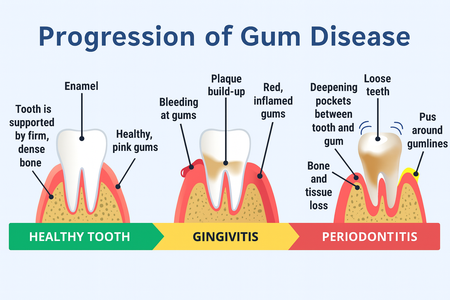
1. Red, Swollen, or Tender Gums
Healthy gums should appear firm and pink, and fit snugly around the teeth. When gums become red, puffy, swollen or tender, it’s often a sign of gum disease or gingivitis - gum inflammation caused by plaque buildup along the gumline.
Plaque contains bacteria that release toxins, irritating the gum tissue and triggering an immune response. If left untreated, early gum inflammation can progress into more advanced stages of gum disease (periodontitis), which threatens both gum tissue and the supporting bone underneath.
2. Bleeding Gums
Bleeding gums during brushing or flossing is one of the most recognizable signs of gum trouble. Many people assume it’s normal for gums to bleed when brushing, but this is not true. Dental experts stress that bleeding gums are never healthy and could be a sign of gum disease.
The American Academy of Periodontology advises that consistent bleeding gums -- especially without trauma -- warrants a dental evaluation.
Bleeding gums may also be associated with systemic issues such as vitamin deficiencies or diabetes, making a professional assessment essential.
3. Gum Recession
Gum recession occurs when gum tissue gradually pulls away from the teeth, exposing sensitive root surfaces and making teeth appear longer. Because this process happens slowly over time, many people overlook this early sign.
Gum recession can result from advanced gum disease — as well as from aggressive tooth brushing, genetics, or chronic teeth grinding. A dental evaluation is recommended to assess the cause and formulate an appropriate treatment plan.
Gum recession may cause tooth sensitivity and increase the risk of cavities near the roots as well as potential tooth loss. At Sachar Dental NYC, treatment options for gum disease related recession include deep cleaning (scaling and root planing), laser therapy (LANAP), periodontal surgery and possible gum grafting -- depending on diagnosis and severity.
4. Persistent Bad Breath (Halitosis)
Occasional bad breath may be normal, but chronic persistent bad breath often indicates an underlying issue- sometimes Gum Disease.
Unhealthy gums can harbor bacteria that release sulfur compounds, creating odors that are difficult to mask. Tartar-- hardened plaque that cannot be removed at home with a toothbrush-- may also contribute to persistent halitosis.
A dental evaluation is necessary to determine whether gum disease, infection, dry mouth, sinus problems, or gastrointestinal issues may be the cause.
5. Loose or Shifting Teeth
As gum disease advances, the bone supporting the teeth can begin to deteriorate. Patients may notice their teeth feeling loose, shifting slightly, or their bite changing. Patients may notice gaps between their teeth that were not there before.
The infection damages the connective tissue and bone anchoring the teeth. Even mild looseness is a significant sign and should be evaluated promptly to prevent irreversible bone loss.
6. Changes in Gum Texture or Color
Healthy gums have a consistent pink color and a firm, stippled texture. Changes — such as shiny gum surfaces, deep red or purplish color, or smoothness -- can signal inflammation or gum infection.
Some pigmentation changes are harmless, but others may indicate poor circulation, long-term irritation, autoimmune conditions, or even oral cancer. Regular dental visits help identify subtle but important changes early.
7. Pain, Sensitivity or Discomfort in the Gums
While gum disease often begins painlessly, discomfort may develop as inflammation worsens. Gum pain can present as:
-
A dull ache or soreness
-
Sensitivity to foods
-
Tenderness when chewing
These symptoms may also result from exposed tooth roots, infection inside gum pockets, or an abscess. A gum abscess can cause pain, swelling, pus, and fever -- all of which require immediate dental care.
8. Bad Taste, Pus or Discharge from the Gums
Pus around the teeth and gums is a clear sign of active infection. It forms when bacteria penetrate deep into the gum tissue and create pockets of inflammation. Gum abscesses are dental emergencies, as infections can spread to surrounding tissues or enter the bloodstream.
Treatment may involve draining the abscess, performing deep cleaning, and prescribing antibiotics as needed.
Gum Health and The Body - The Connection
Research increasingly shows that untreated gum disease can contribute to systemic inflammation in the body, which can affect the heart, lungs, blood sugar control, and even pregnancy outcomes.
Chronic gum infection can allow the bacteria and inflammatory markers to enter the bloodstream and affect the entire body as well as potentially worsen existing medical conditions. Studies have linked severe periodontal disease with higher rates of cardiovascular disease and more challenging diabetes management among other things.
How to Prevent Gum Disease
The good news is that gum disease is largely preventable. Regular professional dental cleanings can help remove plaque and tartar that harbor gum disease causing bacteria.
To keep your gums healthy:
-
Brush twice a day with a soft-bristled toothbrush for at least 2 minutes
-
Floss daily
-
Get professional dental teeth cleanings every 6 months (or every 3-4 months if recommended by your dentist)
Lifestyle choices also matter. Smoking, poor diet, and chronic stress can weaken gum tissue health. A nutrient-rich diet with vitamins C and D, calcium, and antioxidants supports gum tissue repair and immune function.
The Bottom Line
Gum disease develops gradually, often without noticeable pain. Paying attention to early warning signs like redness, swelling, bleeding and bad breath can give patients the chance to reverse damage before the disease progresses and becomes irreversible.
At Sachar Dental NYC, the focus is on prevention, precision, and personalized care. With advanced diagnostic tools and gentle, comprehensive treatment approaches to treat and manage gum disease, patients can restore and maintain gum health for years to come.
A healthy smile isn’t just about clean teeth -- it’s about strong, resilient gums that protect them. Taking action today can safeguard both your oral and overall health.
Book your consultation appointment today! Call us at 212-752-1163 or Book Online at www.sachardental.com.
Read MORE about Gum Disease on our services page.
Periodontal Disease (Gum Disease): Causes, Symptoms & Treatment
Sachar Dental NYC
20 East 46th Street
Rm 1301
(Between 5th Ave & Madison Ave)
New York, NY 10017
212-752-1163
www.sachardental.com
drsachar@sachardental.com